St Augustine Recycling Bin Cleaning The Eco-Friendly Way to Eliminate Odors and Germs
Living in St. Augustine is wonderful, but the Florida heat can quickly turn your outdoor recycling and garbage bins into breeding grounds for foul odors, bacteria, and pests. Traditional cleaning methods often require expensive pressure-washing services or harsh, toxic chemicals that wash down your driveway and harm local waterways. Fortunately, there is a smarter, greener way to maintain fresh-smelling bins for just pennies.
This product is being used by several local restuarants like Osteens,O.C. Whites,St George Tavern,Seafood Kitchen Burritto Works and the list goes on
Clean: Expand Beyond the Recycling Bin
Clean Everything
Buy on Amazon

The subtropical climate of St. Johns County creates an ideal environment for organic decay. Food residue, beverage containers, and organic waste left in recycling bins rapidly decompose under intense heat and humidity. This leads to stubborn buildup, maggots, and intense foul odors every time you open the lid.
While many residents attempt to rinse their bins with a standard garden hose, water alone cannot break down baked-on grease, sticky residue, or microscopic bacteria. At the same time, pouring heavy industrial bleaches or harsh detergents into your residential bins creates toxic chemical runoff that can damage your landscaping and local storm drains.
Frequently Asked Questions
How do I clean a recycling bin in St. Augustine?
Add about one teaspoon of Simix to the dirty bin, spray or pour in water, let it sit for about 5 minutes, then rinse thoroughly. This helps loosen grime, reduce odors, and leave the bin fresher.
Why do recycling bins smell so bad in Florida?
Florida heat and humidity speed up the breakdown of food residue, drink containers, and damp recyclables. That creates strong odors, bacteria buildup, and can attract pests quickly.
How often should I clean my recycling bin?
In St. Augustine, cleaning your recycling bin about once a month is a smart routine. If your bin gets sticky residue, leaks, or strong odors, clean it more often.
What can I use to clean a recycling bin without harsh chemicals?
You can use a concentrated cleaner like Simix to help break down grime and odor-causing residue without depending on heavy bleach-based cleaners.
How much Simix should I use in my recycling bin?
Use about one teaspoon of Simix for a typical cleaning. Add water, let it sit for about 5 minutes, and rinse well.
Will a garden hose alone clean my bin well enough?
A garden hose can rinse away loose debris, but water alone often does not remove stuck-on residue, grease, or odor-causing buildup very effectively.
Can I use this method on trash bins too?
Yes. This same method can be used on both recycling bins and trash bins to help remove grime, reduce odors, and keep bins cleaner.
Will cleaning my bin help reduce pests?
Yes. Regular cleaning helps reduce the smells and residue that attract flies, ants, and other pests.
Is this method eco-friendly?
This approach is a more eco-conscious option than relying on harsh cleaners or repeated pressure washing. It helps keep bins clean while being more mindful of runoff and local waterways.
Where can I buy Simix?
You can buy Simix through the product links on this page, including the Amazon link and the Buy Simix page on this site.
Instead of spending hard-earned money on recurring professional bin-washing services or caustic supermarket cleaners, you can achieve professional-grade results using Simix Multi-Surface Cleaner. Simix is a powerful, ultra-concentrated microbial-resistant cleaner and degreaser that tackles tough organic messes safely.
Cleaning your recycling bin with Simix takes just a few simple steps:
- Add the Product: Take just one teaspoon of Simix powder and throw it directly into your dirty recycling bin.
- Activate with Water: Spray or pour water into the bin to mix with the powder, creating an active cleaning solution.
- Let It Sit: Allow the mixture to sit for approximately 5 minutes so it can break down grease, grime, and organic matter.
- Rinse and Finish: Rinse the bin thoroughly with a hose to reveal a spotless, deodorized interior.
While Simix is phenomenal for trash and recycling cans, its versatility doesn't stop there. Once you see how easily it cuts through tough bin grime, you can link down to its other powerful household and commercial applications:
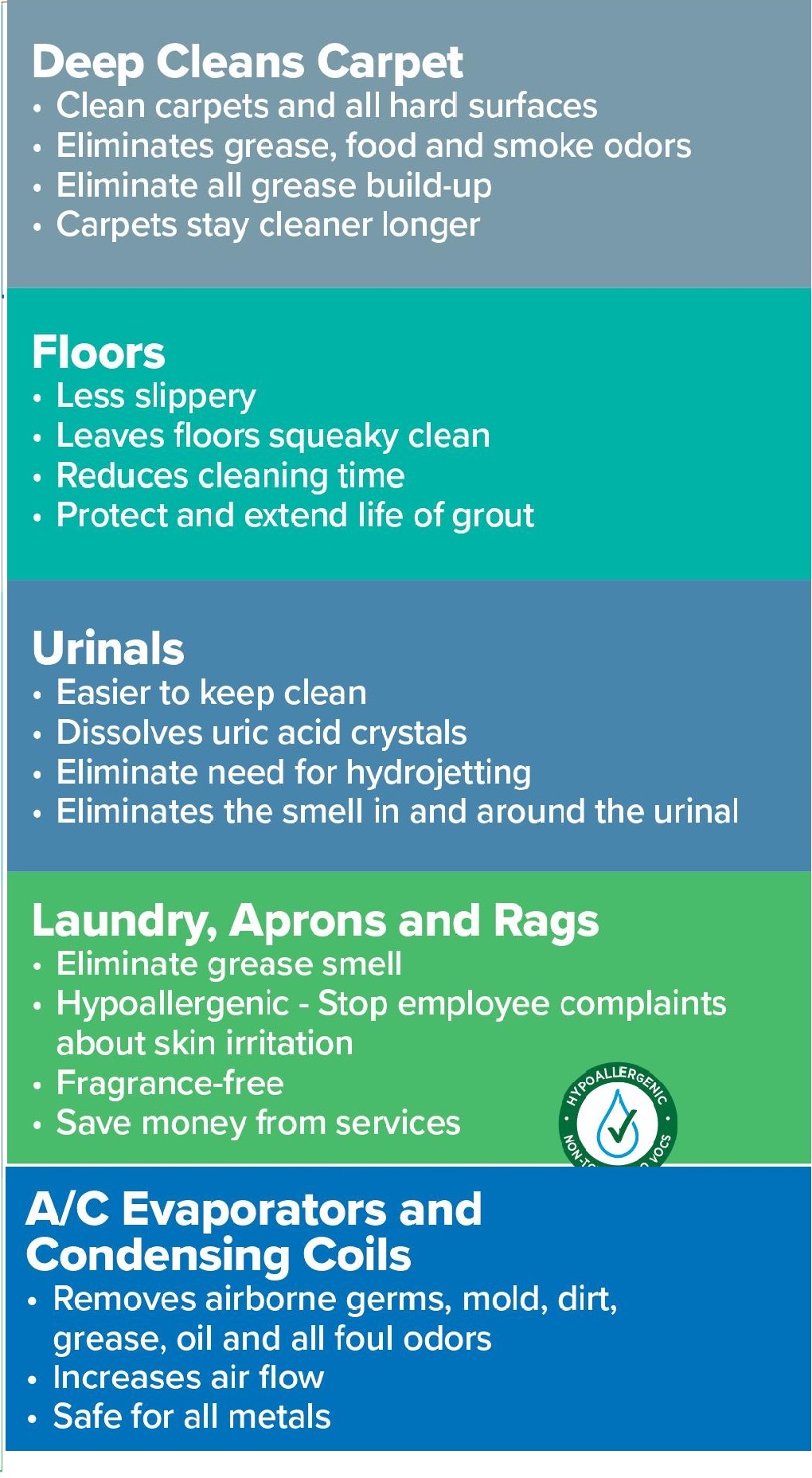
- Driveways and Pavers: Eliminate mold, mildew, and algae growth on exterior concrete surfaces without pressure washing.
- HVAC Coils: Improve energy efficiency and heat transfer by keeping commercial and residential air conditioner coils clean.
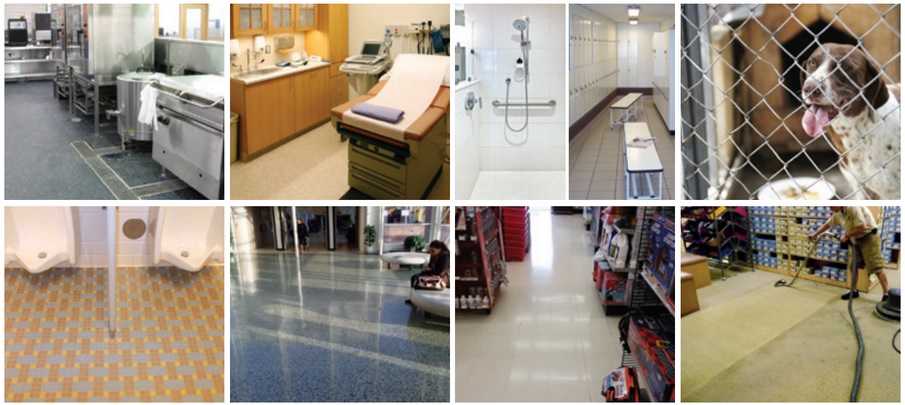
- Countertops and Hard Surfaces: Maintain a chemical-free, hygienic environment across high-touch indoor areas.
By implementing this easy, cost-effective cleaning method in St. Augustine, you keep your property fresh, sanitary, and environmentally responsible all year round.
Clean and sterilize for ten cents
This is how Hospitals determine if a surface is clean
Long-Term Protection and Sustainability for Your Property
Long-Term Protection and Sustainability for Your Property
Beyond immediate odor elimination, maintaining a clean recycling bin contributes to a healthier overall living environment around your home. Stagnant organic waste and rotting residues inside dark, damp bins attract unwanted pests, including flies, ants, and rodents. When you regularly sanitize your bins using an advanced cleaner, you eliminate the food sources and bacteria that draw these pests to your property line.
Traditional cleaning methods often rely on episodic fixes—meaning the moment you throw away your next bag of garbage or wet cardboard box, the cycle of grime and odor begins all over again. By utilizing a high-performance, microbial-resistant formula, you protect the surfaces of your containers from rapid bacterial re-colonization. This keeps your bins smelling fresh significantly longer between washes, saving you both time and effort throughout the year.
Furthermore, eco-conscious homeowners in Florida are increasingly aware of how outdoor cleaning runoff impacts local storm systems, neighborhood ponds, and the broader coastal ecosystem. Many conventional commercial degreasers contain harsh chemical compounds, phosphates, and heavy bleaching agents that can wash off driveways and seep into local ground or surface waters. Choosing a concentrated, non-toxic cleaner ensures that when you rinse out your bins, you are not introducing hazardous pollutants into the environment.Simple Habits for Maintaining Odor-Free Bins Year-Round
Establishing a consistent maintenance routine is the easiest way to prevent stubborn buildup before it starts. Even with Florida's intense seasonal heat and afternoon downpours, a few proactive habits combined with your regular cleaning schedule will keep your recycling and trash cans in top shape:
- Rinse Containers Periodically: Give sticky food jars, soda cans, and milk jugs a quick rinse before tossing them into the blue bin to minimize organic pooling.
- Allow Proper Drying: After washing your bin out, leave it propped open in the sun for a short period to let UV exposure and natural airflow completely dry the interior surfaces.
- Spot Treat as Needed: Keep a small spray bottle of your cleaning solution on hand for quick targeted cleanups if an accidental spill occurs between your monthly washes.
Adopting these small, manageable habits means you will never have to dread opening your recycling bin again. By combining smart sanitation practices with cost-effective, sustainable products, you protect your home environment, reduce household waste, and keep your property smelling pristine with minimal effort.
Stop Slip and falls

Kill Bacteria Virus
Safe on all Surfaces